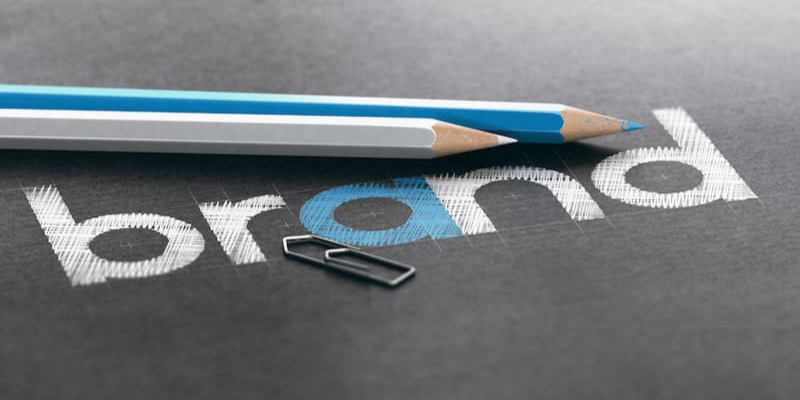
Small and medium-sized enterprises (SMEs) are the backbone of every economy. They generate jobs, nurture innovation, and sustain local communities. Recognizing this, banks across the globe have rushed to declare themselves as champions of SMEs. Today, “supporting SMEs” has become the fashionable tagline in financial services. Yet when every institution makes the same claim, the words lose meaning. Entrepreneurs quickly learn to distinguish between a bank that merely talks about SMEs and one that truly lives the commitment. This is where SME-Focused Bank Branding comes in.
At Q-Lana, we’ve witnessed how financial institutions can transform their position in the SME market through technology and deep customer insight. But technology alone is not enough. Branding must become the visible reflection of a bank’s values and priorities. That is, the way it demonstrates credibility, distinctiveness, and authenticity. In this article, we explore why branding is not just decoration but a core component of an SME strategy, one that can turn fashionable slogans into lasting trust.
The Branding Gap in SME Banking

Most banks still lean on generic language – better service, more trust, greater innovation. These self-proclaimed virtues may sound good in annual reports but rarely resonate with SME owners. Why? Because entrepreneurs hear them from every institution. Without proof and differentiation, such claims lack credibility.
SMEs want to work with banks that demonstrate authenticity. A strong brand is not built on marketing campaigns but on the alignment between what a bank promises and what it delivers every day. This is where many institutions stumble: they claim to support SMEs but fail to design services, processes, or cultures that reflect that promise.
Defining a Clear Positioning
Brand positioning is not what a bank says about itself. It is what SMEs believe about that bank. The best positioning strategies create contrast. Instead of blending into the crowd with claims of being “better,” institutions must highlight how they are different.
For example, a bank might position itself as:
1. The fastest decision-maker for SME loans
Countering the perception that banks are slow and bureaucratic. Imagine a bank that guarantees a loan decision in 48 hours, turning speed into a brand promise. SMEs who have experienced months of waiting with other institutions will quickly recognize the difference.
2. The sector expert for agriculture or logistics SMEs
Contrasting with generalist banks. This could mean building specialist teams that understand crop cycles, trade flows, or supply chain bottlenecks, and branding the bank as the go-to partner for these industries.
3. The community-rooted partner
Opposing large faceless institutions. Rather than showcasing skyscrapers and digital apps, this brand would highlight its role in local development—funding the bakery on the corner, the farmer’s cooperative, or the small factory that employs dozens in the community.
4. The flexible partner for first-time borrowers
differentiating from conservative lenders who demand long credit histories. By positioning itself as the bank that gives SMEs their first real chance, the institution signals inclusivity and trust in entrepreneurs.
Positioning built on contrast allows SMEs to see clearly why a bank is the right choice for them – and why it is more than just another financial institution.
Finding Your Strategic “Enemy”
Every strong brand has an “enemy” – not necessarily a competitor, but a way of banking it stands against. For SME-focused banks, defining this enemy is critical because it gives shape and clarity to their positioning.
For example, an SME bank might define its enemy as:
1. Bureaucracy and red tape.
Many entrepreneurs complain that banks demand stacks of documents and take months to process a simple loan. A brand that declares “We cut through the red tape” positions itself as the opposite of this pain point.
2. Transaction-driven banking.
- Big banks often treat SMEs as numbers on a balance sheet. An SME-focused brand could make its enemy impersonal banking and instead promote “relationships over transactions.”
3. One-size-fits-all credit.
- Traditional lenders often push standard products. An SME-focused bank could take the opposite stance, branding itself around customized lending solutions that flex with a company’s growth stage.
4. Urban bias.
Many SMEs in rural or secondary cities feel underserved. A brand could stand against urban-centric banking and position itself as the true partner of local businesses everywhere.
By naming what you oppose, you sharpen your own identity. A bank that positions itself as the antidote to bureaucracy or the bank that listens when others don’t gives SMEs a tangible reason to believe.
The Power of a Visual Hammer

Words create promises, but visuals make them unforgettable. Logos, colors, and imagery reinforce identity long after the words are forgotten. The challenge is that most banks look the same: blue logos, glass buildings, stock photos of smiling people with mobile phones.
To break through, SME banks should choose visual symbols and colors that reflect their unique values and that SMEs can immediately associate with their experience.
For example:
A sprouting seed or tree to symbolize growth, renewal, and long-term partnership with businesses.
Hands shaking or gears interlocking to reflect partnership and collaboration between the bank and entrepreneurs.
Local cultural symbols (a community landmark, agricultural tools, or regional motifs) to signal rootedness in the SME ecosystem.
Distinctive colors. If most banks are blue, an SME bank could brand itself boldly in green (growth), orange (energy, entrepreneurship), or even purple (creativity and ambition).
One of our client microfinance banks, for instance, adopted the image of a hand holding soil with a seedling as its consistent brand marker. Every SME client now associates that simple visual with the idea of “growing together.” That is the power of a visual hammer. SMEs do not just see a bank, they see their own future potential.
Narrowing the Focus
Another common mistake is trying to be everything to everyone. In branding, focus creates strength. A bank that promises “all things to all businesses” risks being remembered for nothing.
Instead, SME banks should define one powerful promise and repeat it relentlessly. For example:
“Credit decisions within 48 hours.”
“Your partner for sustainable agriculture.”
“The bank that grows when you grow.”
Take the example of Huntington Bank in the U.S., which uses a feature called the “24-Hour Grace.” It is an overdraft and return fee relief comes free with all business Checking, Savings, and Money Market deposit accounts. This narrow focus made them the go-to option for small companies that needed flexibility. Similarly, in East Africa, several of our advisory clients brand themselves as “the agriculture bank” and reinforce it by aligning products, staff expertise, and even branch imagery with farming. SMEs remember them for that one thing, and that is precisely the point.
Internal Alignment: Living the Brand
A brand must be experienced, not just advertised. That means employees need to embody the SME promise in every client interaction. Internal culture and external branding must align.
Simple cues make a difference:
Training relationship managers to speak consistently about the bank’s SME focus.
Embedding key phrases in customer service to reinforce the bank’s promise.
Recognizing and rewarding employees who embody the brand values.
For example, in Kenya, Equity Bank’s commitment of “walking alongside entrepreneurs” reflects its deep-seated strategy of providing comprehensive financial and non-financial support to micro, small, and medium enterprises (MSMEs). Loan officers can be encouraged to spend time at customer businesses, understanding their operations, and bringing back advice, not just forms. This builds trust and ensures that employees live the brand promise. When SMEs walk away from a meeting with a loan officer, they should feel that the experience matches the bank’s message. That alignment builds credibility faster than any advertisement.
Balancing Technology and Human Connection
Digital transformation is reshaping banking. But for SMEs, technology is valuable only when it makes the banking experience faster, simpler, and more transparent. What they still value most is relationship and trust.
The winning SME bank brand will strike the right balance:
Technology for efficiency—automated loan applications, real-time monitoring, and data-driven decisioning.
Human support for trust—relationship managers who understand the entrepreneur’s journey.
A good concept of the balanced approach is digitalize the loan processes to cut down approval times but kept field officers as the face of the bank. Entrepreneurs still get personal visits and tailored advice, while technology quietly ensures efficiency in the background. The brand they project is clear: high-tech, but never at the expense of human touch.
Keeping Branding Fresh
Markets evolve quickly, and technology cycles outpace branding cycles. To remain relevant, banks must treat branding as a continuous process:
Regularly audit messaging to ensure it reflects SME realities.
Be willing to launch sub-brands or digital-only initiatives if needed to target new SME segments.
Stay ahead of fintech and challenger banks by positioning clearly and adapting swiftly.
A static brand risks irrelevance; a dynamic brand anchored in values will remain trusted even as products and channels evolve.
Conclusion: Branding as the Reflection of Values
Supporting SMEs should be more than a slogan. It should be a bank’s lived identity. Branding is the mirror that reflects whether this identity is authentic. A strong SME brand combines clear positioning, distinct visuals, sharp focus, and internal alignment, all grounded in the institution’s values.
At Q-Lana, we believe branding is not an accessory to SME strategy but a core component. When combined with technology and data-driven insight, branding becomes the most powerful way to transform how SMEs perceive – and trust – their bank. For financial institutions, the choice is simple: follow the trend, or build a brand that SMEs will believe in, return to, and recommend.