SME Lending is what keeps small and medium-sized businesses moving and growing. According to the World Bank, 65% of MSMEs worldwide struggle with access to finance. Moreover, research by the International Finance Corporation also evidences that 90% of businesses globally are MSMEs that drive economies and create jobs.
Risk-sharing models have also helped increase SME lending by up to 30% in emerging markets – OECD Report.
Away from the statistics…
Having loyal customers, great products, and strong demand is great. But when it comes to securing a loan to expand a small business, it’s normally not easy.
This is because most local banks do not have enough risk appetite or capital to support MSMEs (Micro, Small, and Medium Enterprises) sufficiently or effectively. High expectations are placed on international investors, providers of patient capital or other sources.
Elements in SME Lending
- How this entire process works
- The role of each party
- What challenges these parties face
Who are the Key Players in SME Lending?
- Local Banks
- Investors
- MSMEs
1. Local Banks
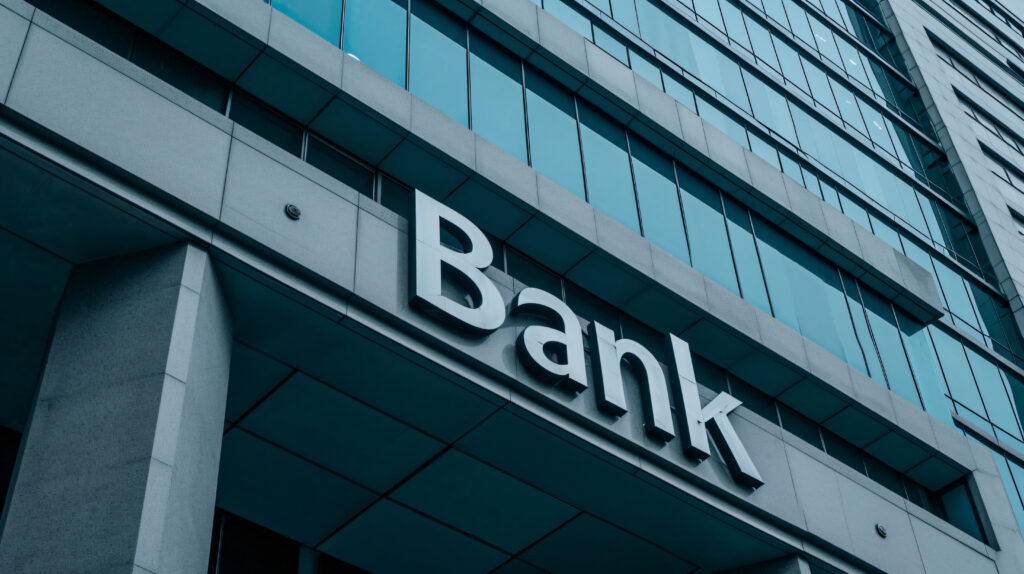
Local banks are the regional banks, credit unions, and community lenders that small businesses usually approach for loans. They have strong relationships with MSMEs but struggle to take on risky loans due to shortage of risk capital. They are best positioned to assess and manage risk. Taking risk though is their Achilles heel .
2. Investors

Investors include institutional investors, private equity firms, and sometimes government-backed funds. They provide capital to banks and share the risks involved in lending to small businesses. In return, they expect reasonable returns on their investments.
3. MSMEs Themselves

According to the International Finance Corporation, MSMEs make up over 90% of all firms. These are the small businesses that drive local economies. They need financing for inventory, equipment, expansion, and working capital. However, they often lack the collateral or credit history needed to qualify for traditional loans.
The Challenges at Each Level of SME Lending
The lack of suitable finance is a well-known constraint on the growth of small and medium enterprises. But the persistence of this problem over time and across countries tells us that it is not so easily solved.
– British International Investment
1. MSMEs Struggle to Get Loans

Because if you have, this is not news to you.
As a small business owner, it is difficult for you to get a loan from a bank. When you walk into any bank, you must explain everything about your business and submit all the required documentation.
And then?
Maybe your application gets rejected. Maybe the bank keeps asking for more paperwork, and the process drags for weeks.
Or worst of all…you never hear from the bank at all.
But this could be due to many reasons:
(a) SMEs have a “Collateral” Problem – and Banks Want Security
As a local bank, you don’t buy the idea of taking risks. All you want is assurance that SMEs will pay back the loan, and this assurance is through guarantors. If you lend them the money, you must be sure they will get it back.
Collateral means things like property, machinery, or big assets that the bank can seize if a borrower doesn’t repay a loan.
But the problem is…
Most small businesses lack that kind of security. Say, an SME owner is running a bakery, a retail shop, etc. Yes, they might have the equipment, but as a bank, you see nothing valuable to seize in case they default.
(b) Short or Nonexistent Credit History
Every bank is happy when a borrower has a track record. That means, as a small business, you should have probably borrowed money elsewhere before and managed to pay it back on time.
That makes it easier for the bank to assess if they can trust you to pay back the loan.
But what if it’s your first time to borrow from the bank? Or have only been taking informal loans (from friends, family, or community savings groups)?
Well, without a formal credit history, the bank may label you as a risk.
Why?
They don’t have any information about you to rely on while predicting whether you’ll pay the money back.
(c) Very Long Approval Times + Too Much Paperwork
As a local bank, your loan application forms may be too long and more detailed. But you may ask for a borrower’s business plans, financial statements, tax returns, etc.
However, if you’re an SME and your business lacks a professional accountant, you may find this process so overwhelming.
And even if you manage to submit all the bank requires, you may still have to wait for weeks or even months for your loan to be approved.
But as a small business owner, you may not have the luxury to wait that long.
(d) The Bank Sees Your Small Loan Request as “Not Worth It”
This is an open secret.
Every bank earns more from giving out huge loans. A small loan of, let’s say, $5,000, takes just as much paperwork, assessment, and effort as that of, let’s again say, $1 million.
However, the profit from the small loans is normally lower. So, the bank will likely lend to a business bigger than yours.
The bank will either choose to ignore your small business or if they consider you, charge high interest rates to make the efforts of lending to you worth their time.
(e) Strict Regulations Limiting Lending
Even if the bank is willing to help a small business like yours, the regulator often makes things difficult. Every financial institution in any country operates under strict lending rules to prevent bad loans.
They must be extra careful when lending.
To the bank, MSMEs like yours already appear risky for business. The bank will likely reject your request first.
(f) Small Businesses Struggle With The “Informal Business” Dilemma
Small businesses are either not fully registered or lack proper financial records.
As a small business owner, you could be running a profitable shop but handle all the transactions in cash. Additionally, you may not have a registered business bank account.
Banks, on the other hand, deal with proper documentation. If your business cannot produce proper financial records, the bank sees you as unreliable, even if you’re just making too little money to document.
2. Local Banks Are Hesitant to Lend to MSMEs

Many people always assume that banks don’t just want to lend to MSMEs. But the reality is, local banks struggle with challenges only unique to them.
(i) They have limited capital to lend
Banks don’t have surplus money to give out. They rely on deposits from customers. That means that any amount they lend depends on how much cash they have available.
For local banks, this is even a big issue.
Local banks operate on very tight budgets compared to large multinational banks. The latter’s pockets are deeper. Thus, local banks must carefully decide how and where to put their money.
Because of this, they don’t prioritize lending to MSMEs due to the many risks involved.
(ii) Same Case: Banks Consider MSME Loans to be Risky
Recounting the reasons…
- Many MSMEs do not have proper financial records.
- Some of them don’t even have collateral.
- Business income can be unpredictable.
- It’s easier for small businesses to fail compared to established ones.
If an SME manages to secure a loan from a bank, one which the bank considers risky, and the business fails, the bank may suffer massive losses.
This is the reason many local banks always pause when it comes to lending to SMEs.
However, if there are ways the bank can reduce the risky business, in this case, investors coming in, it becomes easier to lend.
(iii) Regulatory Controls and Loan Limits
No bank has the freedom to decide how much money to give out. Every country has a regulatory body that controls these lending limits. These regulations are there to prevent financial institutions from going under.
The regulator requires every bank to keep a given percentage of their funds in reserves to cushion them against such uncertainties. They are not allowed to lend out everything.
3. Investors Help Banks Share the Risk

Banks cannot carry all the lending risk on their own. So, they work with financiers, or investors who are willing to help them share this burden.
It is simple:
- Investors agree and put money into a risk-sharing platform.
- The bank then uses this money to lend to MSMEs.
- If some MSMEs who have been given the loans fail to pay back, the bank and the investors share the losses between them instead of the bank bearing it 100%.
This makes lending safer and more sustainable. Local banks can now support more small businesses without the fear of financial instability.
Investors – What’s in It for Them?
Many people often think of investors as big corporations or very wealthy individuals who just put money into businesses.
That’s a fallacy.
Investors also need returns.
How does SME lending benefit investors?
i. Any investor is always looking for profitable opportunities.
SME lending offers them exactly that.
Because SME lending is an investment. And any investment should give back interest. So, that makes it a very attractive alternative for investors.
Simply put, it’s a solid return on investment.
ii. Investing has many golden rules.
And one of them is: Do not put all your eggs in one basket. As an investor, you can balance your portfolios well through SME lending.
It is easier for you to reduce the impact of any single failure since you can spread loans across different businesses. The risk is distributed.
So, any investor who wishes to expand their investment knows that SME lending is one smart move.
iii. Lower Risk with Structured Protection
For any lending investment, you must consider risks. But a structured SME lending provides safeguards.
Many SME lending platforms have risk-sharing mechanisms. That means, as an investor, you do not absorb 100% of the losses.
You can choose which type of businesses to fund. This gives you more control over your risk levels.
This controlled risk exposure makes SME lending more appealing than high-risk investments like venture capital.
iv. Not all investments are about profits alone.
As an investor, you should also care about making a difference. SMEs drive local economies, create jobs, and fuel innovation.
Investors help businesses grow, communities thrive, and economies develop.
It’s a win-win situation.
v. Access to Underserved Markets
Some investors look beyond traditional markets to find opportunities that are untapped.
Those SMEs in developing regions often can’t access traditional financing. They have huge potential for growth.
As an investor, if you enter these markets early, you can tap these opportunities.
Thus, SME lending is an exciting space.
SME Lending Collaboration Benefits Everyone

- For MSMEs
Easier access to loans, lower interest rates, and a chance to grow their businesses.
- For Local Banks
More lending capacity, reduced risk, and increased SME support.
- For Investors
Profitable investment opportunities with a structured risk-sharing model.
Without collaboration
Many MSMEs would remain stuck:
- Unable to expand, create jobs, or contribute to the economy.
So, the next time you hear about MSME financing struggles, just remember: it’s not just about the small businesses.
Local banks would also face real challenges.
- They need more funds to lend and expand their SME loan portfolios.
- They must follow strict lending guidelines. And this makes it harder to take risks on small businesses.
- Without external support, they fear lending to businesses that might not repay.
But investors play a crucial role in bridging that gap.
SME Lending Is Already Digital
- It is now possible for investors to track their funds in real-time, analyze risk, and make data-driven decisions.
- Automated processes reduce administrative burdens, making SME lending a seamless experience.
- Technology is driving risk assessment to improve loan quality and increase investor confidence.
How Can Local Banks and Investors Help SMEs Get the Loans They Need?
Running a small business is already tough for SMEs. However, getting a loan should not make it harder.
An SME lending platform helps your local bank not to hesitate to lend. As a small business, you also no longer struggle to qualify for the funds. And as an investor, you find a safe investment way to put your money to work.
Q-Lana‘s SME Lending Fund Platform Plays a Huge Role

The SME Lending Fund Platform, developed by Q-Lana, makes lending to small businesses faster and simplifies the process.
Here’s How the platform Works:
(i) Instead of lending directly to SMEs, investors put money in local banks.
(ii)Any potential losses from SME loans are shared between banks and investors. This reduces pressure on banks.
(iii) MSMEs Get Loans: The risk is reduced. Funding increased. SMEs now get the financing they need.
Boost SME Growth with Q-Lana’s SME Lending Platform
The reality is clear…
MSMEs are the backbone of every economy. Traditional lending models no longer work in favor of them. But Q-Lana’s SME Lending Platform changes that.
Connect with Us
Explore how our platform helps you drive SME growth, reduce lending risk, and tap more opportunities.